
When Horses Are Stolen, the Loss Is More Than Property
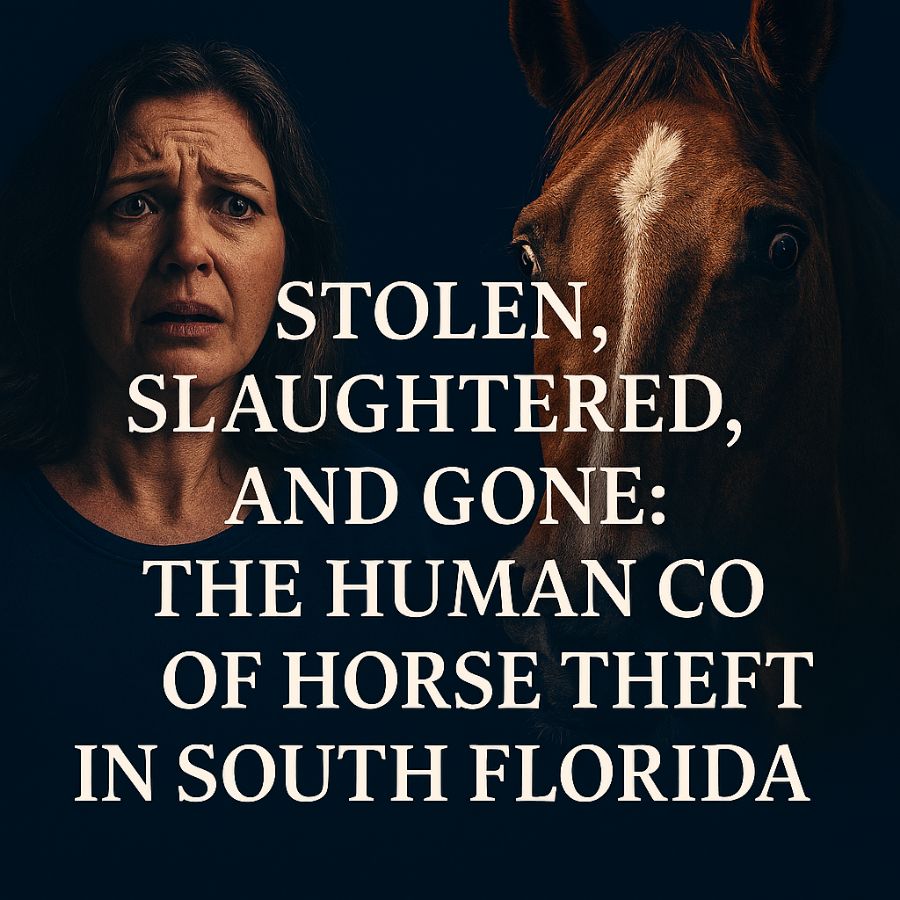
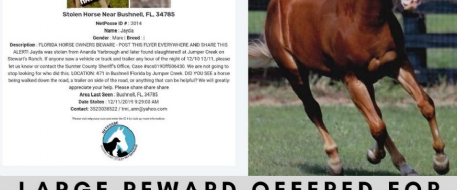
In recent months, we have received heartbreaking reports from Florida involving horses who were stolen and later slaughtered for meat. Behind every one of these cases is not just a crime, but a family grieving the loss of a deeply loved animal.
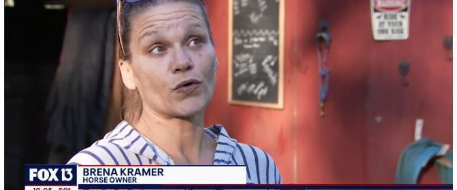
One owner described finding her horse “filleted for his meat.” No one who cares for a horse should ever have to experience such a trauma.
Why Stolen Horse International Exists
At Stolen Horse International, also known as NetPosse, our work is driven by compassion and responsibility.
Our mission is simple, yet critical:
- To help prevent horses from being stolen, and
- To assist in recovering horses when theft occurs, no matter the reason they were taken.
Whether a horse is stolen for resale, neglect, slaughter, or misguided belief, the result for the horse and the owner is the same—fear, loss, and irreversible harm.
A Unique and Terrifying Reality in Florida
Across much of the United States, stolen horses are often transported out of the country, where owners may never know their fate. In parts of South Florida, however, the reality is more immediate and far more disturbing.
Some owners have discovered their horses were killed just steps from home. Others find remains left behind for them to locate. In certain cases, horses are simply walked down the road, never to return.
This constant fear has become part of daily life for many Florida horse owners.
Remembering the Horses We’ve Lost
These stories are not isolated.
You may recall Buddy, a friendly horse taken from behind a chain‑link fence. Or Phedras de Blondel, an internationally imported jumper whose promising future ended less than a week after arrival.
And then there is Thunder.
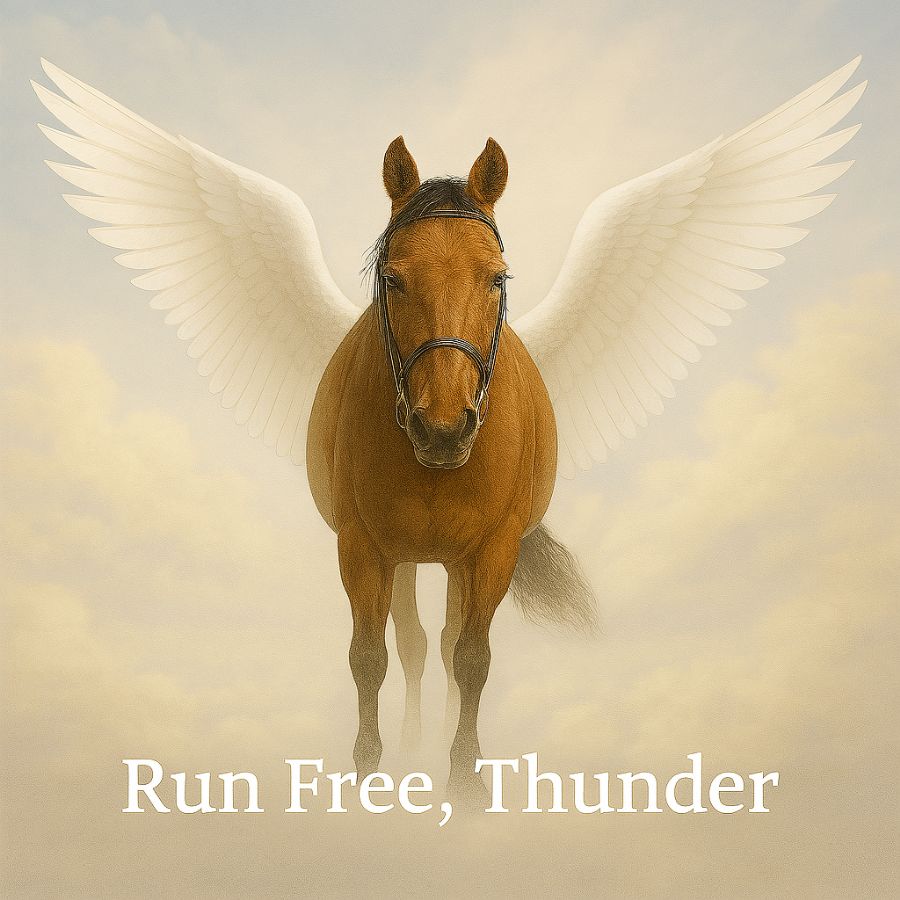
Thunder was a 23‑year‑old retired Standardbred—gentle, familiar, and deeply loved. On November 22, 2015, his owner, Sandra Fogg, reported him missing from her Miami‑Dade pasture. Tire tracks and a carefully repaired fence showed deliberate planning. By the next day, Thunder’s remains were found.
For Sandra, as for so many others, the loss was devastating and permanent.
Understanding the Issue—Without Losing Humanity
Horse theft for meat occurs for complex reasons, often tied to cultural traditions or religious practices brought from other parts of the world. While understanding context matters, it does not lessen the impact on the horses or their owners, nor does it make the act legal or safe.
It is also important to educate the public:
Horses in the United States are not raised or treated as food animals. Many have been exposed to substances that make their meat dangerous for human consumption, including pesticides, dewormers, antibiotics, sedatives, and topical chemicals. Consumption poses serious health risks.
Education, awareness, and prevention are essential if we are to protect both animals and people.
How You Can Help Protect Horses
Horse theft is not a distant or rare issue—it is happening now, and it can happen anywhere. Prevention and recovery require resources, vigilance, and community support.
You can make a difference.
- Donate to support horse recovery efforts, investigations, and owner assistance
- Share information to increase awareness in your local horse community
- Report suspicious activity—early action can save lives
- Support legislation and enforcement efforts aimed at preventing equine theft
Every dollar donated and every story shared strengthens the safety net for horses who cannot protect themselves.
Stand With Us
Behind every stolen horse is an owner who did everything right—and a horse who trusted humans completely.
With your help, we can work toward a future where no owner has to fear finding an empty pasture, and no horse becomes a victim of theft and cruelty.
Please consider supporting Stolen Horse International today.
Together, we can protect horses, educate communities, and honor the lives already lost.
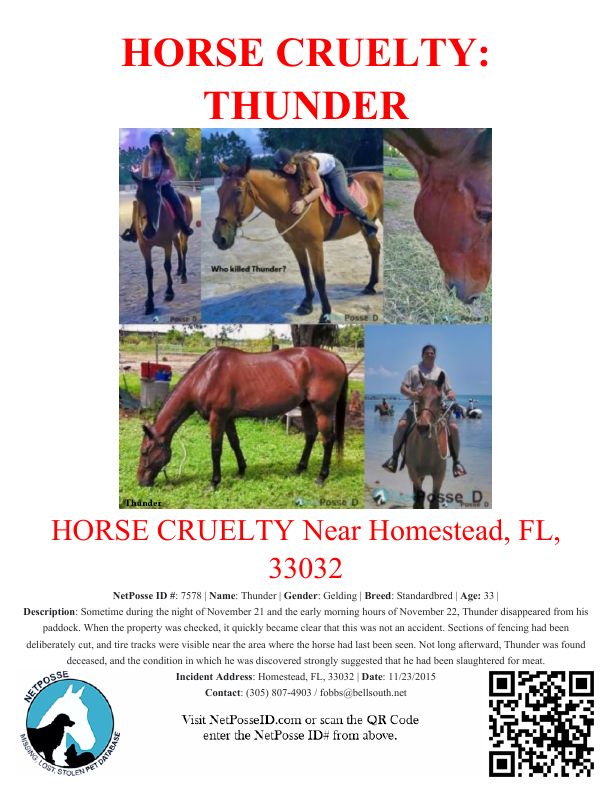
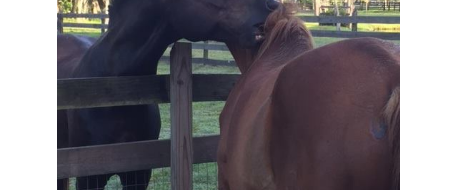
This is Thunder, his owner, Sandra Fogg, reported him missing to Miami-Dade authorities on November 22, 2015. A 23-year-old, 16-hand retired Standardbred, Thunder was easily the largest horse in the pasture. That was probably what made him attractive to the thieves.
Stolen Horse International provides news and other resources for free on this website. As a charitable organization we survive on the kindness of people like you. Please consider donating to help fund the organization or purchasing a NetPosse ID for your horse, dog or cat to help protect your beloved animals!
Debi Metcalfe
Please login to post a comment.
Related Articles

Comments