
What Happens In The First 24 Hours After a Horse Is Stolen
The first 24 hours after a horse is stolen are critical. What happens during this window can make the difference between a swift recovery and a long, difficult search. Acting quickly, staying organized, and mobilizing the right resources are essential to bringing your horse home safely.
Hour 0–2: Realization and Immediate Response
The moment you discover your horse is missing, time becomes your most valuable asset.
First, confirm it’s truly theft—not escape or relocation.
- Check all fences, gates, and latches
- Look for broken boards, cut chains, or tire tracks
- Contact anyone with access to the property (barn manager, family, neighbors)
If theft is suspected:
- Call local law enforcement immediately and file a report
- Emphasize that this is a livestock theft / felony crime
- Request an officer come to the scene if possible
Avoid disturbing the area—tracks, footprints, and other clues can be vital evidence.
Hour 2–6: Reporting and Alerting Authorities
Once law enforcement is involved, the next step is rapid reporting and documentation.
Key actions:
- File a case with Stolen Horse International (NetPosse)
- Notify your brand inspector (if applicable in your state)
- Alert your veterinarian and farrier—they often recognize horses quickly
- Contact local animal control and nearby equine facilities
Prepare critical information:
- Clear photos (left, right, face, markings)
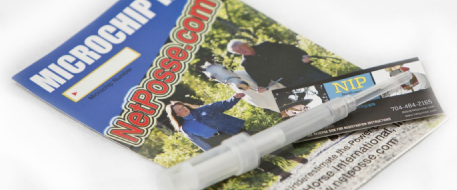
- Registration papers, Coggins test, and microchip number
- Unique identifiers (brands, scars, markings, gait, behavior)
- Description of tack or trailer if also stolen
The more detailed your information, the easier it is for others to help.
Hour 6–12: Public Awareness and Social Media Push
Horse theft cases can turn quickly if the public becomes aware early.
Launch an immediate awareness campaign:
- Share a missing horse alert flyer (NetPosse can assist with this)
- Post on social media platforms (Facebook groups, equine communities)
- Contact local feed stores, tack shops, and sale barns
- Email or message local trainers, rescues, and boarding facilities
Important tip:
Use clear, concise messaging:
- Horse name and description
- Date/time/location of theft
- Contact information
- Case number (if available)
The goal is rapid visibility—especially within a 100–300 mile radius.
Hour 12–18: Expanding the Search Net
At this stage, stolen horses may be in transit—or already moved to another location.
Focus on transportation routes:
- Notify nearby livestock auctions and sales barns
- Alert kill pens and horse traders
- Share information with truck stops and haulers
- Monitor online horse sale listings and classified ads
Thieves often move quickly to avoid detection, so expanding geographically is critical.
Hour 18–24: Coordinated Search and Investigation
By now, your case should be gaining traction.
Continue building momentum:
- Work closely with law enforcement and provide updates
- Track and follow up on tips from the public
- Keep social media posts active and share new details
- Coordinate with organizations like NetPosse for broader outreach
Stay organized:
- Keep a log of sightings, calls, and leads
- Document names, times, and details of every interaction
- Avoid spreading unverified information—accuracy matters
Common Mistakes to Avoid
- Waiting too long to report the theft
- Assuming the horse will return on its own
- Sharing incomplete or inaccurate descriptions
- Failing to alert the right networks quickly
- Not documenting identifying features ahead of time
Why the First 24 Hours Matter Most
Most stolen horses are moved quickly—sometimes within hours—to avoid detection. Early reporting:
- Increases the chance of locating transport vehicles
- Alerts key checkpoints (auctions, vets, farriers)
- Expands visibility before the horse disappears into another region
The faster you act, the smaller the window thieves have to hide or sell the horse.
Final Thoughts
The shock and panic of discovering your horse is gone is overwhelming—but decisive action can make all the difference. You are not alone. Organizations like Stolen Horse International exist to help guide you through this process and amplify your efforts.
Preparation is powerful.
Having identification records, photos, and a plan in place before an incident occurs can dramatically improve recovery chances.
Important Tip: Be Ready Before an Emergency
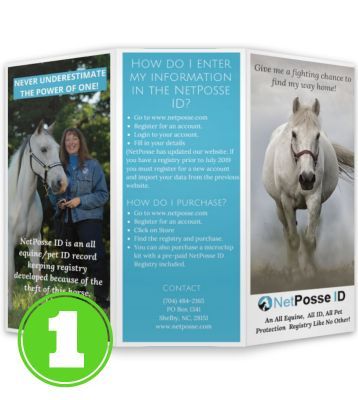
If you haven’t already, purchase the NetPosse ID Registration at
www.netpossestore.com. This ensures all your horse’s identifying information is pre-loaded and ready to use in an emergency. The registry can be accessed anytime from any phone—saving valuable time when every second counts.
When creating alerts, use clear and concise messaging:
~Horse name and description
~Date, time, and location of theft
~Contact information
~Case number (if available)
Goal: Achieve rapid visibility—especially within a 100–500 mile radius.
Stolen Horse International provides news and other resources for free on this website. As a charitable organization we survive on the kindness of people like you. Please consider donating to help fund the organization or purchasing a NetPosse ID for your horse, dog or cat to help protect your beloved animals!
Debi Metcalfe
Please login to post a comment.
Related Articles










Comments